
Welcome to *The Quest Log*!
As part of Level 1 in my Designing Games for Learning class, I completed a **Game Critique Practice** and then began my journey into my mentor game: **Egypt: Old Kingdom**. Here's how that experience translated from critique to reflection:
---
## 🎮 Game Critique Practice: What Makes a Game Great for Learning?
As part of the Level 1 task, I analyzed key components that contribute to an effective educational game. I focused on:
- **Challenge vs. Skill balance** (Flow)
- **Meaningful learning mechanics**
- **Narrative engagement**
- **Player autonomy**
In that critique, I learned that the most effective educational games integrate learning goals into the *gameplay itself*, rather than treating them like passive lessons or pop quizzes. They let you learn *by doing*, not just watching.
---
## 🏛 Mentor Game Reflection: Egypt: Old Kingdom
Starting my mentor game, **Egypt: Old Kingdom**, I immediately noticed it aligned well with what I wrote in the practice critique.
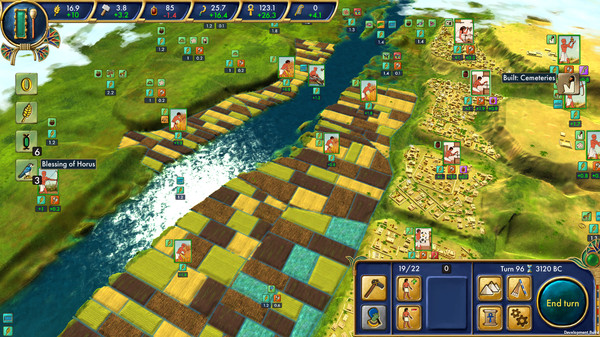
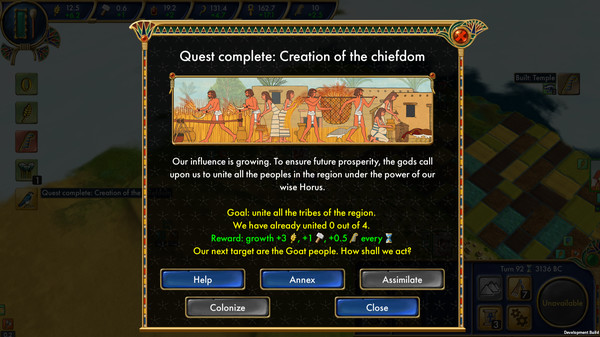
- **Game Mechanics = Learning:** The game teaches historical progression through resource management and tough decision-making. You're not just *reading* history — you’re *living it*.
- **Narrative & Systems Thinking:** You take on the role of a ruler guiding Egypt’s development. The cause-and-effect chains are complex and reward long-term thinking.
- **My Player Type:** According to my Player Profile, I’m part Strategist and Explorer. This game fits me well — there's a lot of systems-based strategy and historical discovery.
---
## 💬 What I’m Wondering
While the game is incredibly immersive, I’m still curious about how it fits into more **constructivist learning models**. Is the game just simulation, or is it encouraging critical thinking and reflection?
This is a quest I’ll be exploring further.


No comments:
Post a Comment